We landed in Kyoto as autumn lit the city on fire — every hillside and temple garden blazing red, orange, and gold. The Japanese call the season momijigari, the hunt for autumn leaves, a ritual of wandering and wondering that's over a thousand years old.
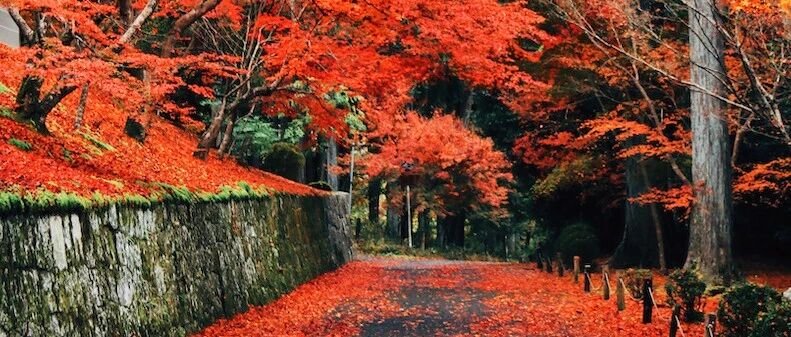
Kyoto's maples don't merely turn — they erupt. From late November into early December, the city's temples and shrines stand framed in brilliant maple foliage, and the mix of weathered wood and fire-red leaves feels almost surreal, as if the buildings themselves were burning gently from the ground up.
This guide threads through the finest maple temples: Tofuku-ji, where a covered bridge arches over a whole valley of red; Manshu-in and its elegant garden; Kiyomizu-dera, whose wooden stage floats above a sea of color; Enko-ji, famed for moss and vivid foliage; the Silver Pavilion, Ginkaku-ji; Nanzen-ji and its grand aqueduct; Hofuku-in; Eikan-do, glowing under evening illuminations; and Arashiyama, where the bamboo grove meets the autumn.
Day 1: Beijing to Osaka to Kyoto
We flew from Beijing to Osaka Kansai Airport, then boarded the HARUKA express for Kyoto. We settled into a traditional ryokan near Gion, and that evening drifted through streets strung with lanterns, the old wooden machiya glowing amber against the dusk.
Day 2: Kimono Experience at Kiyomizu-dera
We dressed in kimono and climbed through the Higashiyama lanes to Kiyomizu-dera. From the temple's great wooden stage the maple valley unfurled below in a wash of crimson — a view that steals your breath. We wandered Sannenzaka and Ninenzaka, nibbling sweet local snacks between photo stops.
Day 3: Maple Leaf Temple Tour
We visited Manshu-in, Enko-ji, and Ginkaku-ji, and walked the Philosopher's Path as it ran beneath a tunnel of turning trees. Each temple offered autumn from a different angle — some sculpted into immaculate gardens, others spilling wild down the mountain slope.
Day 4: Kinkaku-ji and Arashiyama
Morning brought Kinkaku-ji, the Golden Pavilion, its gold leaf doubled in the pond and ringed by fall color. In the afternoon we crossed Arashiyama's Togetsukyo Bridge and slipped into the bamboo grove, the riverside maples flaming at their peak.
Day 5: Tofuku-ji and Uji
Tofuku-ji was the climax — from the Tsutenkyo Bridge you look down on Kyoto's most iconic maple vista, the valley a solid carpet of red. That afternoon we rode to Uji for matcha and a quieter hour at Byodo-in.
Day 6-7: Nara
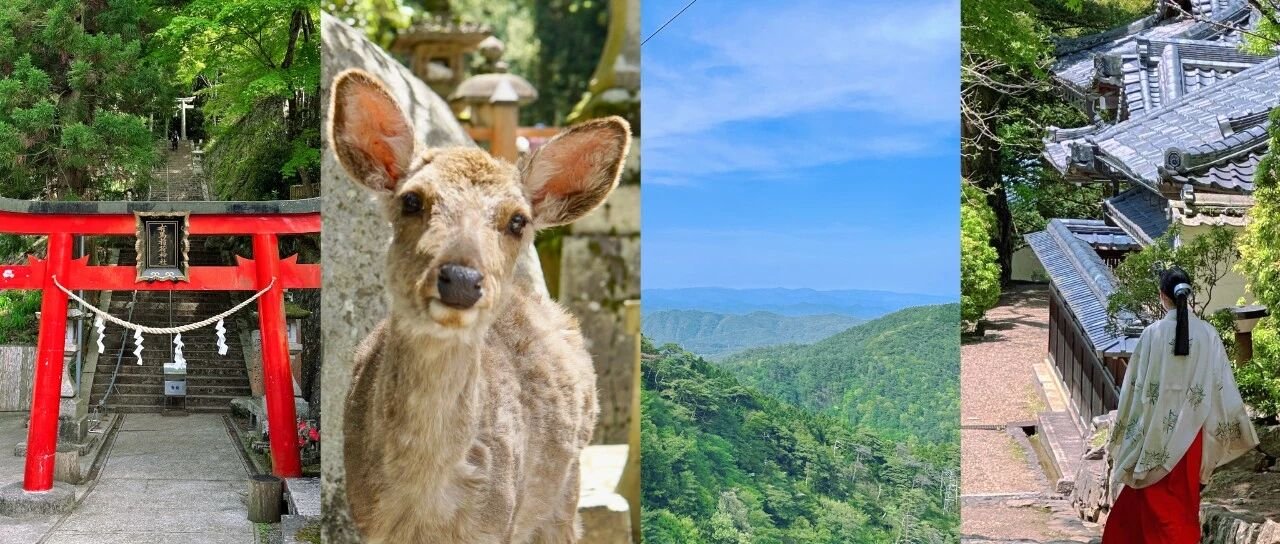
We extended the trip with a day in Nara: feeding the sacred deer in Nara Park, standing beneath Todai-ji's giant Buddha, and soaking in a nearby onsen. Watching those deer drift freely between ancient temples in the soft autumn light felt like stepping into a painted scroll.
Day 8: Osaka to Beijing
Our last morning we shopped Kyoto for sweets and souvenirs, then rode the train back to Osaka Kansai Airport and home.
Travel Tips
Transportation: Get an ICOCA card for easy train and bus travel. Purchase a Kyoto bus pass for unlimited daily rides. The HARUKA express from Kansai Airport to Kyoto takes about 75 minutes.
Timing: Peak autumn foliage in Kyoto is typically from late November to early December. Book accommodations well in advance - this is the busiest season.
Flight Deals: Look for budget airlines flying from Beijing to Osaka. Round-trip flights can be found at reasonable prices if booked early.
Temple Etiquette: Remove shoes when entering temple buildings. Be respectful of prayer areas. Some temples charge entrance fees of 400-600 yen during autumn season.